Menopause, Addiction & Complex Trauma
 Vanessa Kredler
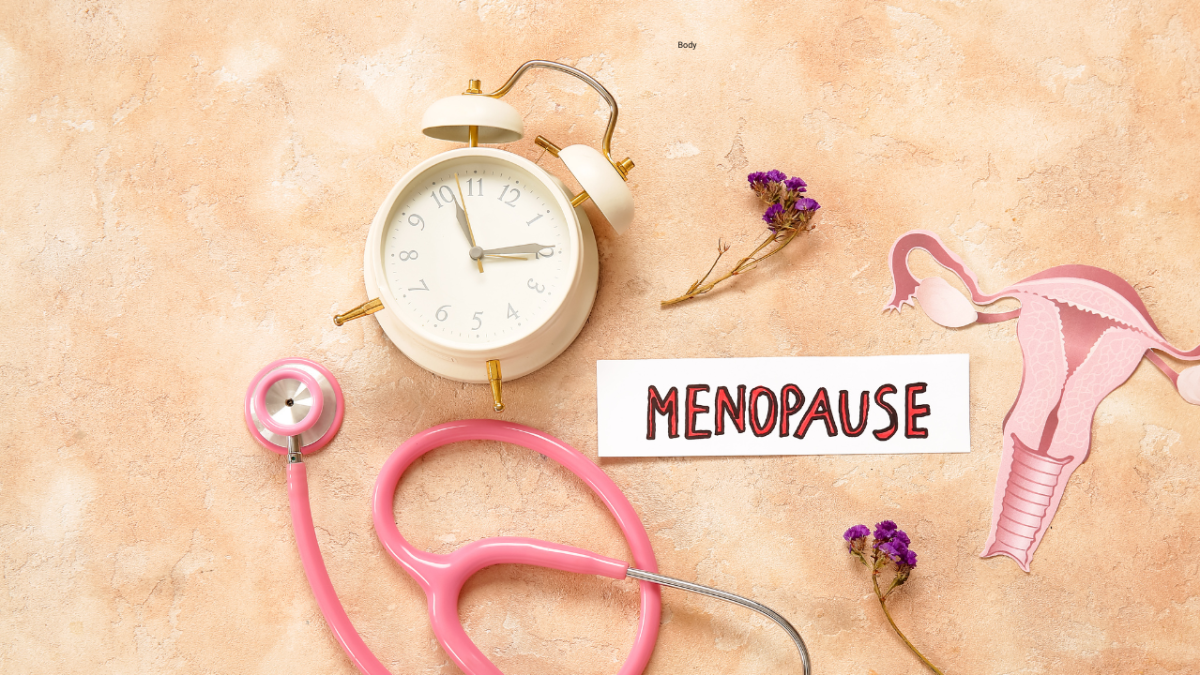
A personal reflection on how hormonal changes can disrupt nervous system regulation, mimic early recovery and demand new ways of being
Key summary
This blog explores the often‑unspoken intersection of menopause, complex trauma, and addiction recovery. Written from inside the experience, it reflects on how hormonal and nervous system changes during menopause can destabilise regulation, re‑activate trauma responses, and make long‑standing recovery feel unexpectedly fragile—without erasing the work that has been done. Rather than offering solutions, this piece names the grief, confusion, and humility of being “rearranged” by menopause, and invites compassion, stigma‑reduction, and connection for women navigating similar terrain.
Menopause, Addiction & Complex Trauma
When I share about my food addiction it feels like I’m telling my hero's journey: Food addiction is tough and I’ve overcome it, one day at a time. It remains the most formative experience of my life.
Right now I’m writing about something that is not a hero's journey by far. I’m sharing this from inside the experience, not from the other side of it. I’m supported, I’m safe, and I’m still learning. This reflection isn’t meant to offer answers or advice. But writing about it is healing for me, and I hope it can break stigmas and help people experiencing similar things to not feel so alone. It’s about connecting my humanity with your humanity.
Learning to Live in a Changing Body
Lately, I’ve been noticing more unease and overwhelm. Sometimes my nervous system shifts states and becomes dysregulated far more quickly than I’m used to. And for what reason, I don’t always know.
And I’m noticing that things which once helped me regulate don’t always land the same. That my nervous system feels more reactive, more tender, more easily overwhelmed. I’m noticing a familiar internal voice asking, “Why does this feel like early recovery again?” Sometimes, it feels like my 18 years of entering recovery have regressed to square one. While my sobriety from certain substances and behaviours remains, I don’t feel emotionally sober at times, I feel incompetent and unsure and no longer capable of what I could always do.
A Grief I Didn’t Expect
I’m noticing grief. Not so much about aging, but about the sense that once again, I need to re-establish a firm ground. I’m learning that menopause can bring up one’s pre-existing conditions.
After complex trauma and addiction, recovery felt like building a relationship with my body for the first time. Learning how to feel without being consumed. Learning how to live life on life’s terms. Learning about the nervous system. How to respond instead of react. How to trust that discomfort would pass.
Menopause has disrupted everything in ways I didn’t anticipate. I’m noticing moments where my body and mind feel more fragile. Where emotions rise faster than my tools can catch them. Where exhaustion strips away the capacity to do what I’ve always been able to do. And I’m learning how quickly a shameful part of me comes in. Triggered by that critical part of me that says you should have this figured out by now. And I’m learning that this time in my life deserves compassion, not judgment.
When Old Ways of Operating No Longer Work
I’m learning from my mentors that menopause doesn’t erase recovery, but it does change the conditions under which recovery happens.
Complex trauma lives in the nervous system. Addiction once offered me regulation when my body didn’t know how to settle on its own. Recovery taught me new ways to stay present and safe.
Now, hormonal shifts are altering the baseline of my nervous system again. And I’m noticing how easily that can mimic the internal landscape of early recovery: heightened anxiety, disrupted sleep, emotional flooding. And a range of symptoms I’ve never had before, including heart palpitations, new chemical sensitivities, rapidly fluctuating levels of energy, a sense of mental fog and overwhelm that happens quite unpredictably.
I’m learning that my body and mind are asking for something different. Menopause is rewiring my brain. My nervous system is on high alert.
Menopause is rarely discussed in trauma‑informed or recovery spaces. Addiction is rarely discussed in menopause conversations. The overlap is real, and the silence around it can make the experience feel isolating and personal, when it’s actually structural.
Mentors tell me that I’ll come out of it wiser and that it will cut away old ways of operating.
Being Rearranged
Indeed, I’m learning that I can’t operate the way I have been. Recovery practices have to change. Health and extreme self care are even more precious as I’m approaching 50.
Right now, I’m learning to:
rest more than my some of my parts are comfortable with
simplify instead of push
accept support in areas where I haven’t needed it before
going back to basic recovery principles of surrender
I’m noticing how tempting it is to tell myself I should be further along. And I’m learning to hand those thoughts over to Spirit. I find it easier to trust Spirit when there is no way out. Trusting is recovery, and it’s a muscle that needs re-toning.
I’m in the humble process of rearranging my life. Oh, no, that sounds like I’m in control. Shall we say, I’m in the process of being rearranged. One thing I know about recovery is this: Recovery doesn’t equal wellness. As someone said to me the other day: Recovery is not about ginger tea and massages (though those are very nice!). Recovery sometimes takes drastic action. Recovery means doing things I do not want to do. In my early days, I learned that surrender means that I have to be willing to do whatever it takes. How parts of me wish it wasn’t so. Surrender? Again? Another dark night of the soul?
Recovery is Alive, and Humbling
I’m noticing how many women carry complex trauma and addiction histories into menopause. This often shows up in sessions. They feel insane, incompetent, out of sorts, and like it’s their fault somehow. When I mention menopause to female clients in their 40s and 50s, I'm noticing that many come to therapy not even having considered that menopause could be having an impact on their current poor mental health and dysregulation.
I’m learning that I can be in the middle of something and speak about it responsibly. That I can say “this is hard” without pretending that I’ve got it all together. And sharing it may help others too. It means the work is alive. Recovery rearranged. What a humbling journey.

Acknowledgement of Country
I recognise the history, culture, diversity and value of all Aboriginal and Torres Strait Islanders, and acknowledge their Elders past and present.
I acknowledge that sovereignty has never been ceded, and support reconciliation, justice and the recognition of the ongoing living culture of all First Nations people by providing welcoming and culturally informed services.
Embracing inclusivity and diversity, I also support a culture of inclusion, respect, choice, voice and diversity and am committed to supporting all people to be mentally well and engaged in their communities.